Research & Academic Exchange
TSIR 2026 Annual Meeting: TAME Lectures, International Roundtable, and Hands-on Workshop
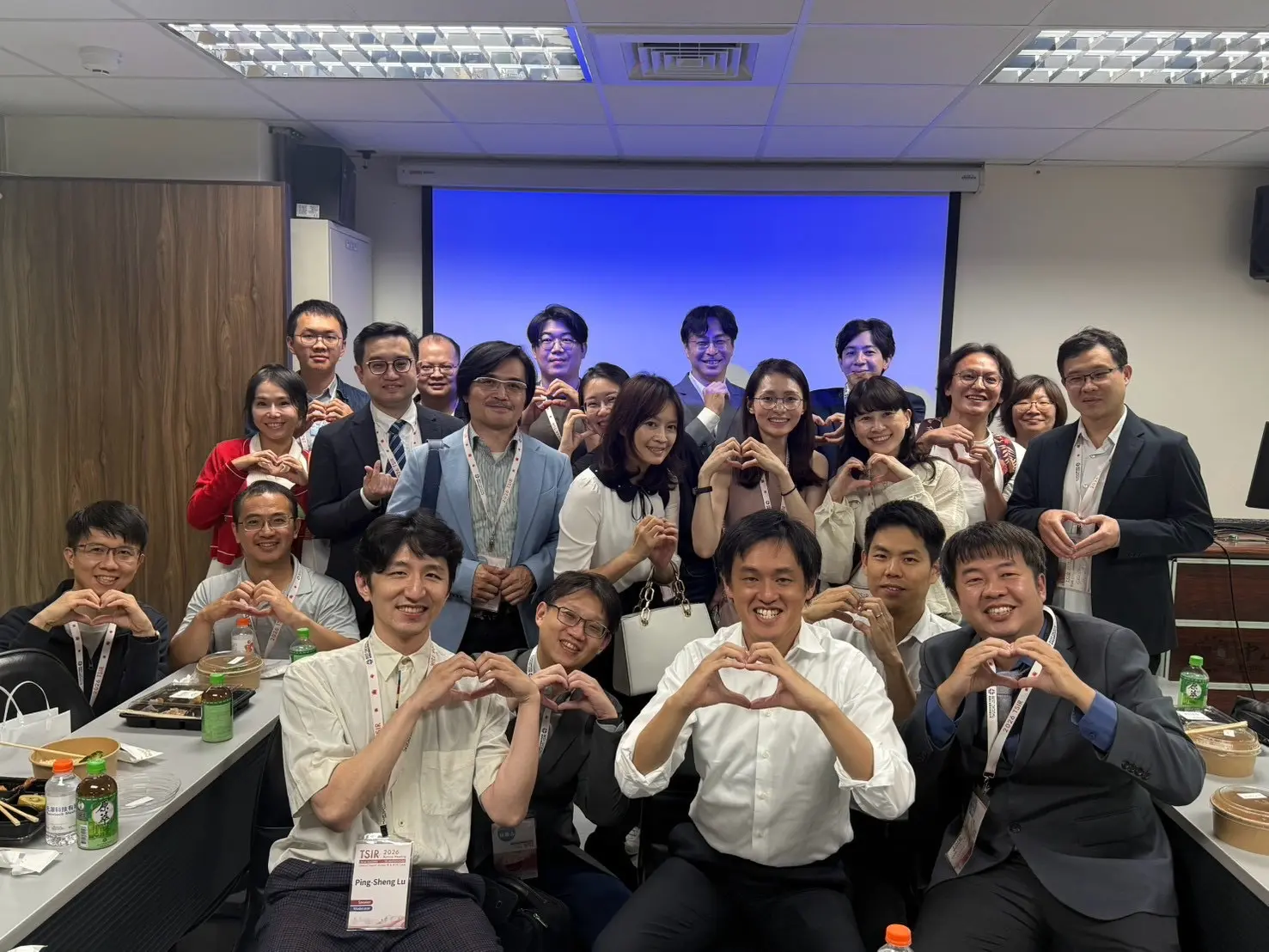
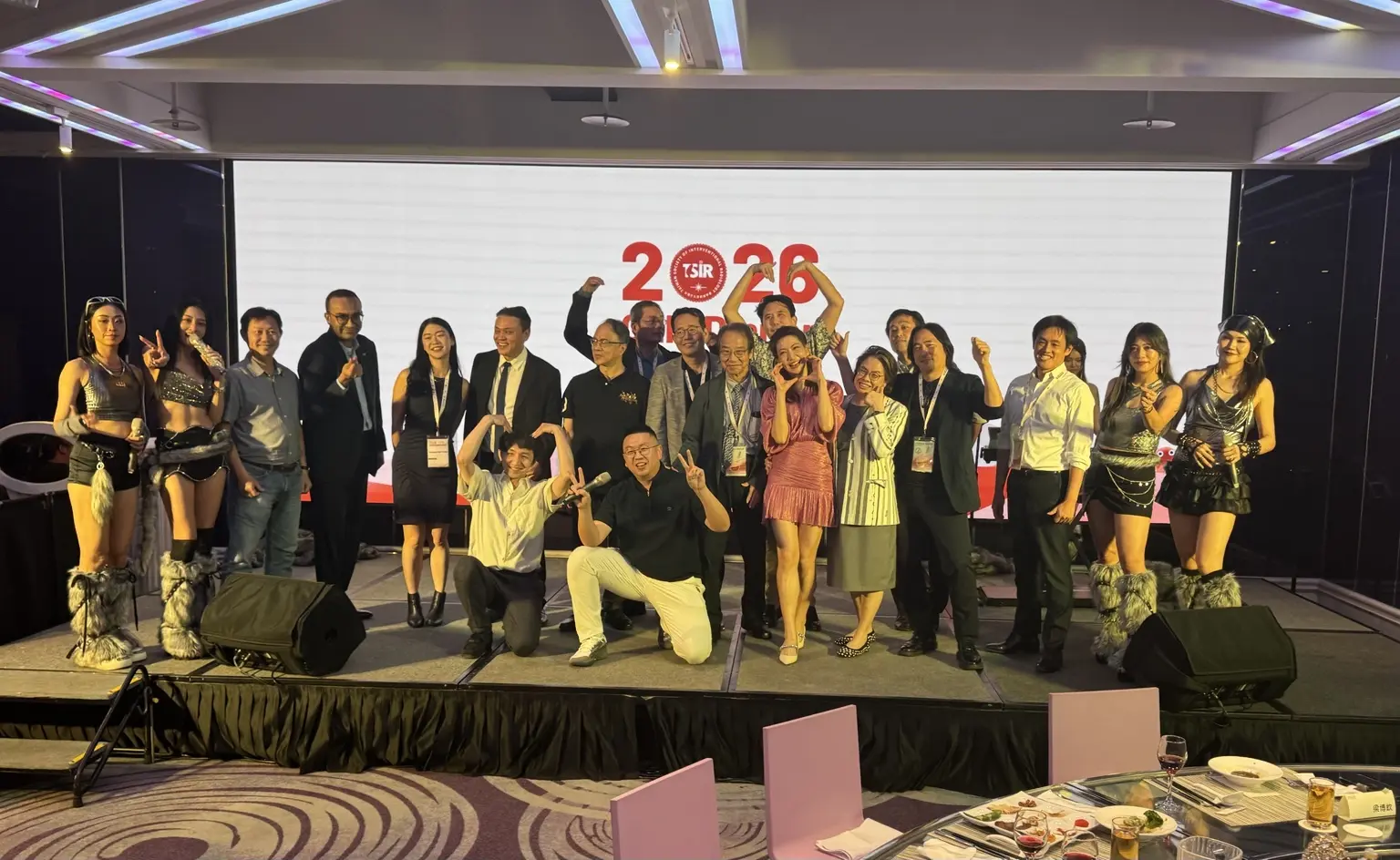
On September 12–13, 2026, I attended the Taiwan Society of Interventional Radiology (TSIR) Annual Meeting. I am grateful to Dr. Ping-Sheng Lu and TSIR President Dr. Pi-Yi Chang for the invitation. Across the two-day program, I participated as a session chair, speaker, roundtable moderator, and hands-on workshop instructor, with a particular focus on musculoskeletal embolization.
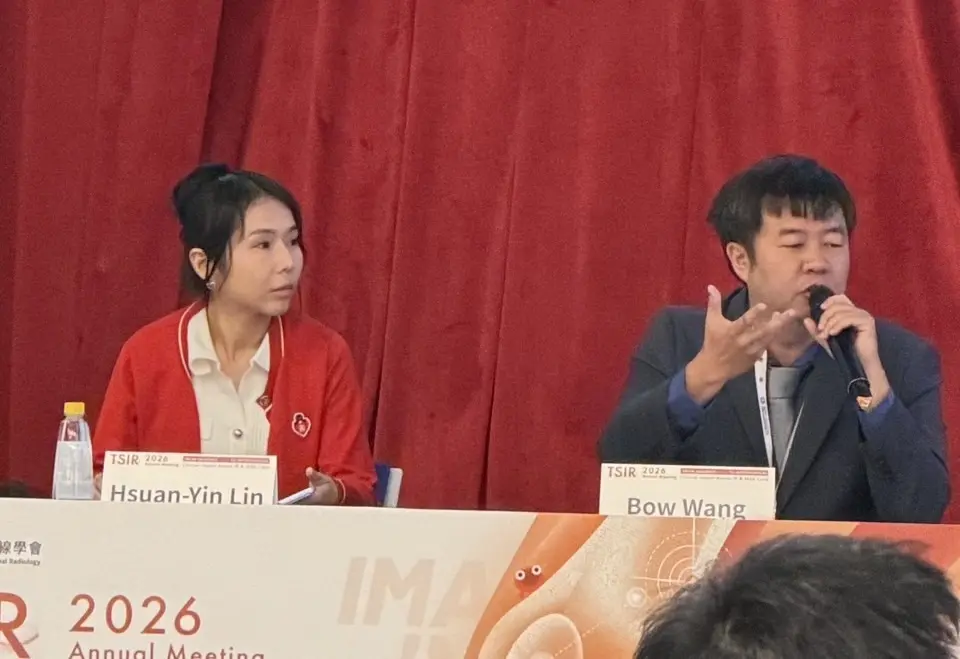
September 12: upper-limb TAME and an international roundtable
I began the first morning by co-chairing “Hand, Wrist & Limb Embolization” with Dr. Hsuan-Yin Lin. Dr. Kuan-Lin Chen reviewed clinical findings of the carpometacarpal joint. Dr. Lin presented a live wrist TFCC TAME case and discussed next-generation KIPZA for distal-extremity safety and sustained efficacy in larger joints. Dr. Soo Buem Cho from Korea then shared clinical experience using KIPZA for refractory plantar fasciitis. Together, these talks made the indications, technical details, and safety boundaries of upper-limb and foot TAME more concrete.
The afternoon session on “GAE & International Frontiers in TAME” also brought together clinical experience from different countries. Dr. Hyeonseung Hwang of Korea presented shoulder TAME using a rapidly absorbable gelatin sponge, while Dr. Masanori Inoue of Japan examined whether the choice of embolic agent affects outcomes in genicular artery embolization (GAE).
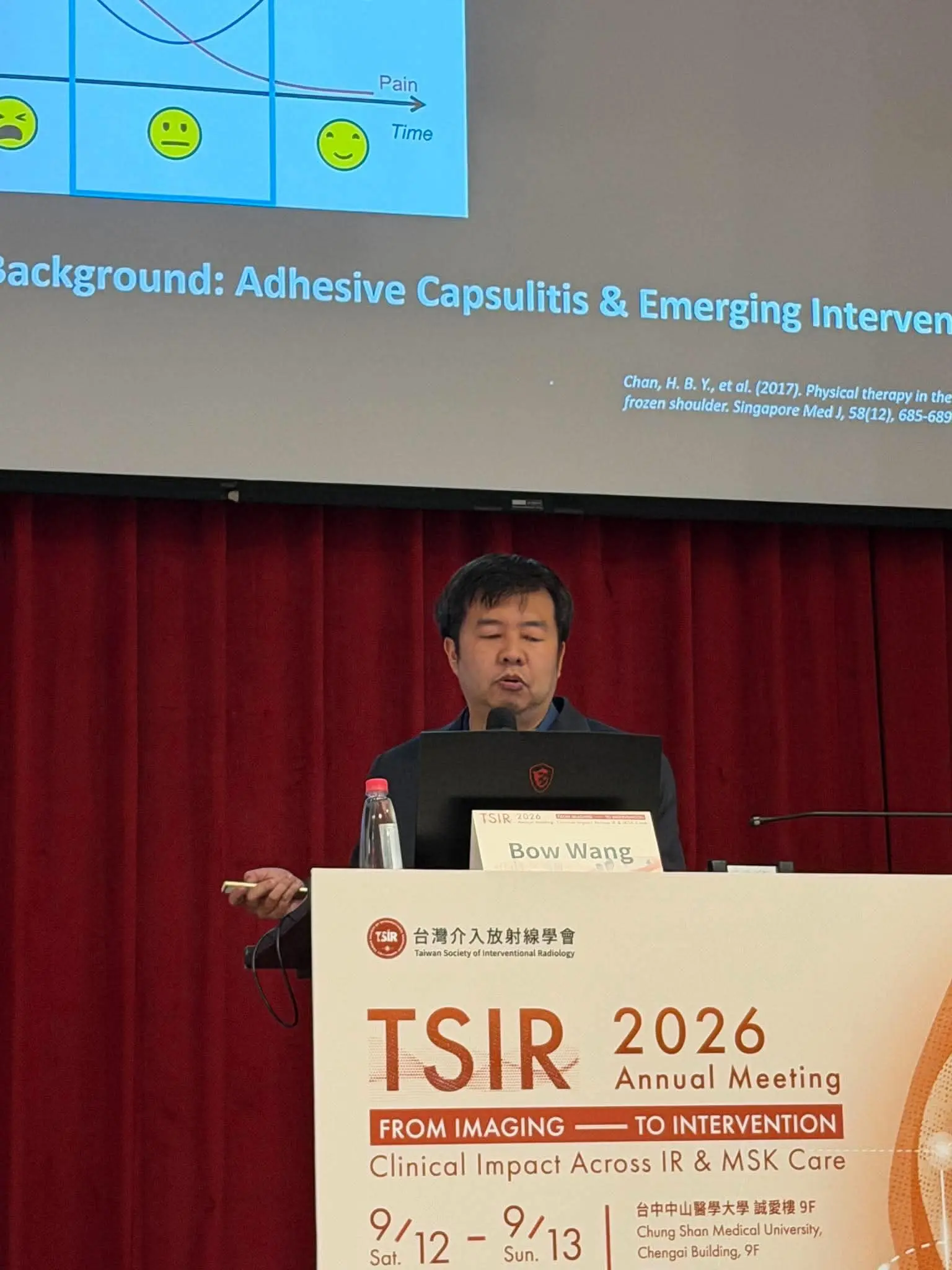
At 3:50 p.m., I delivered “Embolization Therapy for Frozen Shoulder,” covering the clinical presentation of refractory frozen shoulder, imaging evaluation, embolization strategy, and current evidence. The disease-focused material from that lecture is available as a separate article, TAME for Refractory Frozen Shoulder: Pain, Mobility, and Evidence, so readers can understand the clinical role of the treatment beyond the setting of a single conference.
I then co-moderated the “International Masters’ Roundtable” with Dr. Ping-Sheng Lu. Dr. Keng-Wei Liang, Dr. Yuji Okuno of Japan, Dr. Soo Buem Cho of Korea, Dr. Chow Wei Too of Singapore, Dr. Yu-Han Huang, and Dr. Hsuan-Yin Lin joined a cross-topic discussion on genicular artery embolization, TAME, pain control, and treatment across different anatomic regions. The open debate brought out practical details that are often difficult to convey through slides alone.
September 13: complications and a safety-focused discussion
At noon on the second day, I presented “Complications of Embolotherapy.” The talk covered common transient skin changes, access-site hematoma, and post-procedural pain, as well as less frequent but important concerns such as neurologic symptoms, non-target embolization, and arterial access complications. It also distinguished the different sources of risk in conventional catheter-based TAME and ultrasound-guided simplified TAME, also known as the Dochu technique.
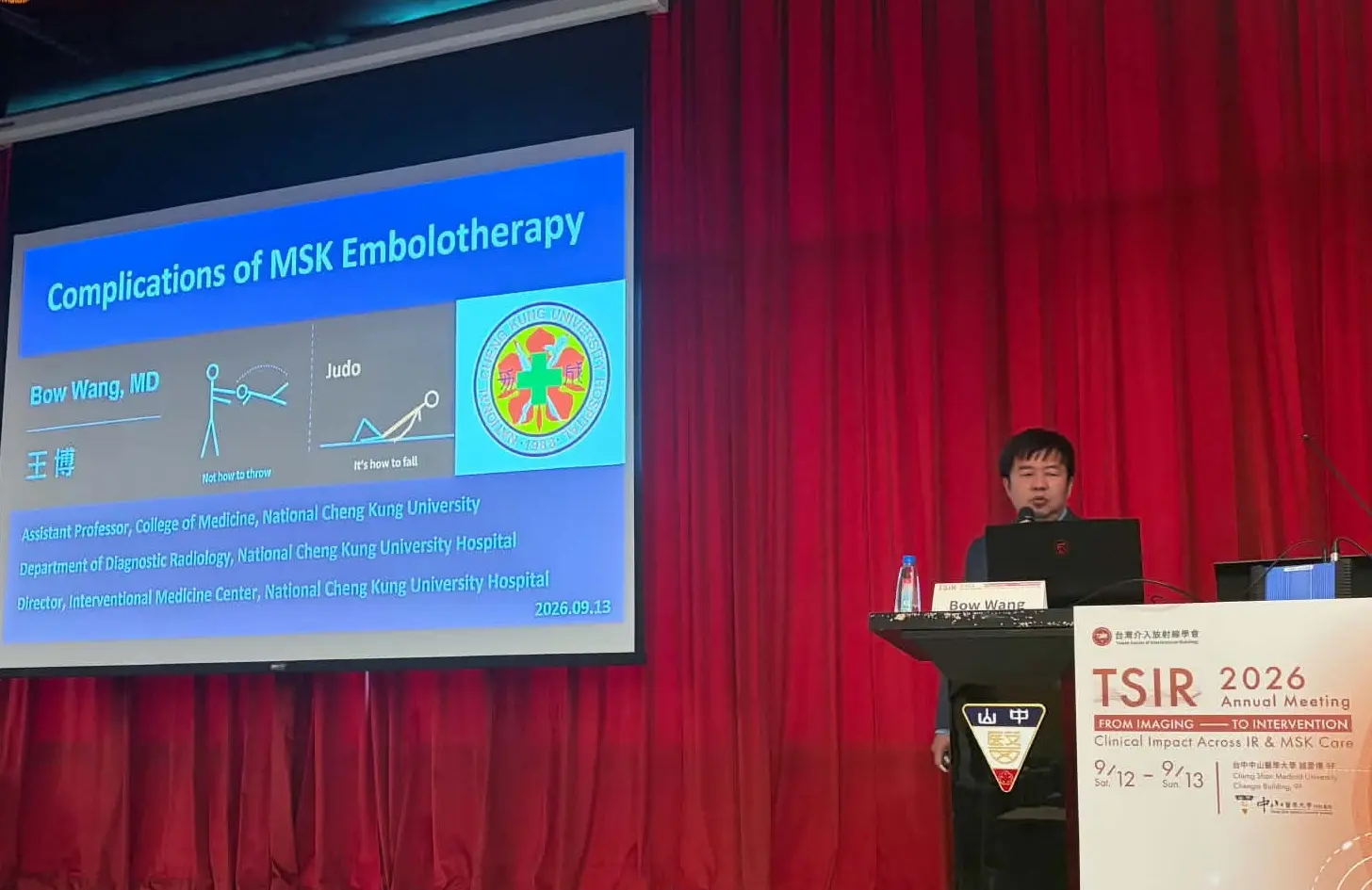
Safety cannot be summarized simply by saying that major complications are uncommon. Embolic materials, anatomy, access route, and image-guidance technique all influence risk. Pre-procedural assessment, prevention of non-target embolization, and post-procedural evaluation of skin, neurologic function, and distal perfusion are equally important. The complete safety review is available in TAME Complications: Prevention and Management in Conventional and Dochu Techniques.
Taking lecture concepts into the hands-on workshop
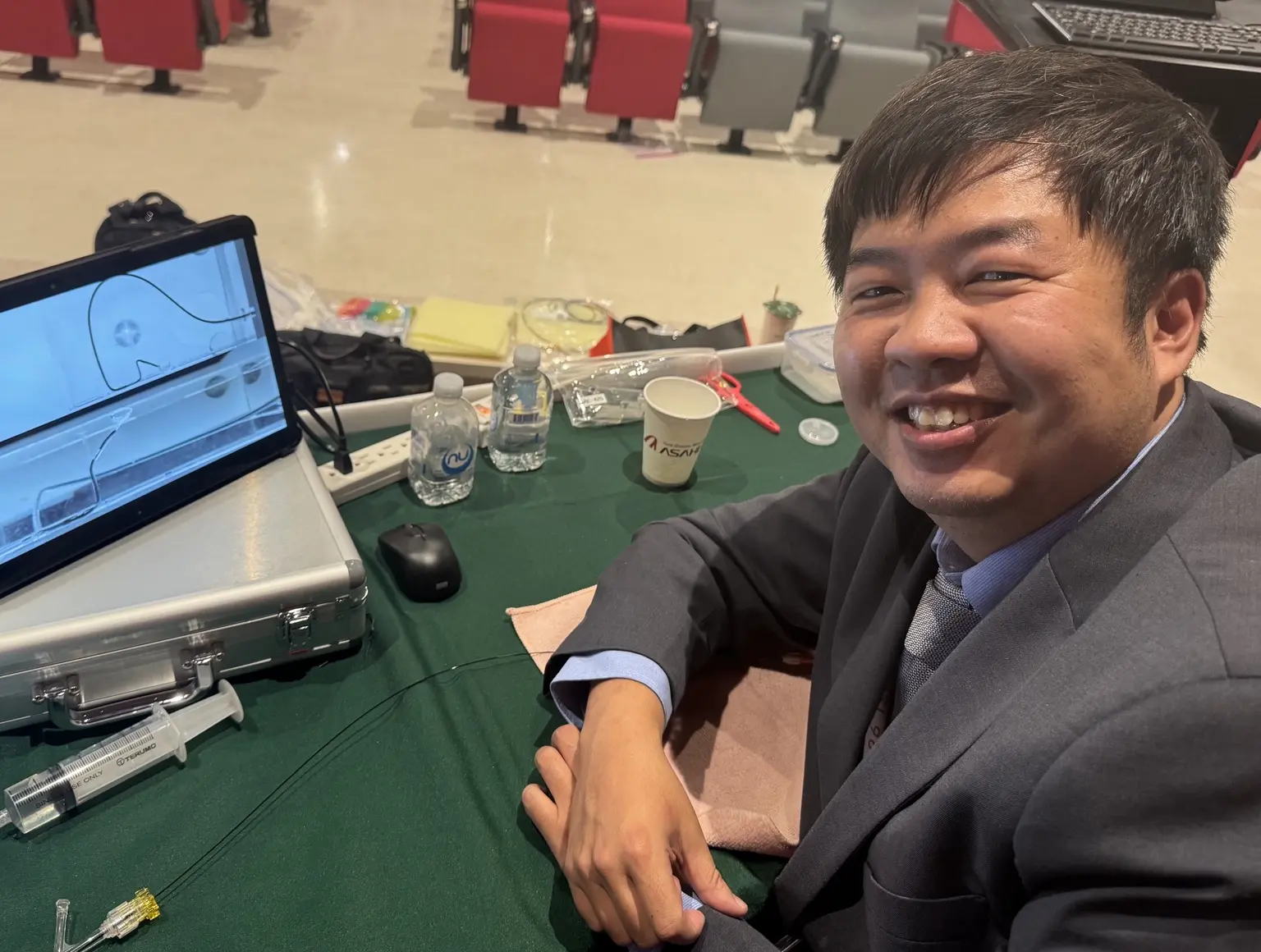
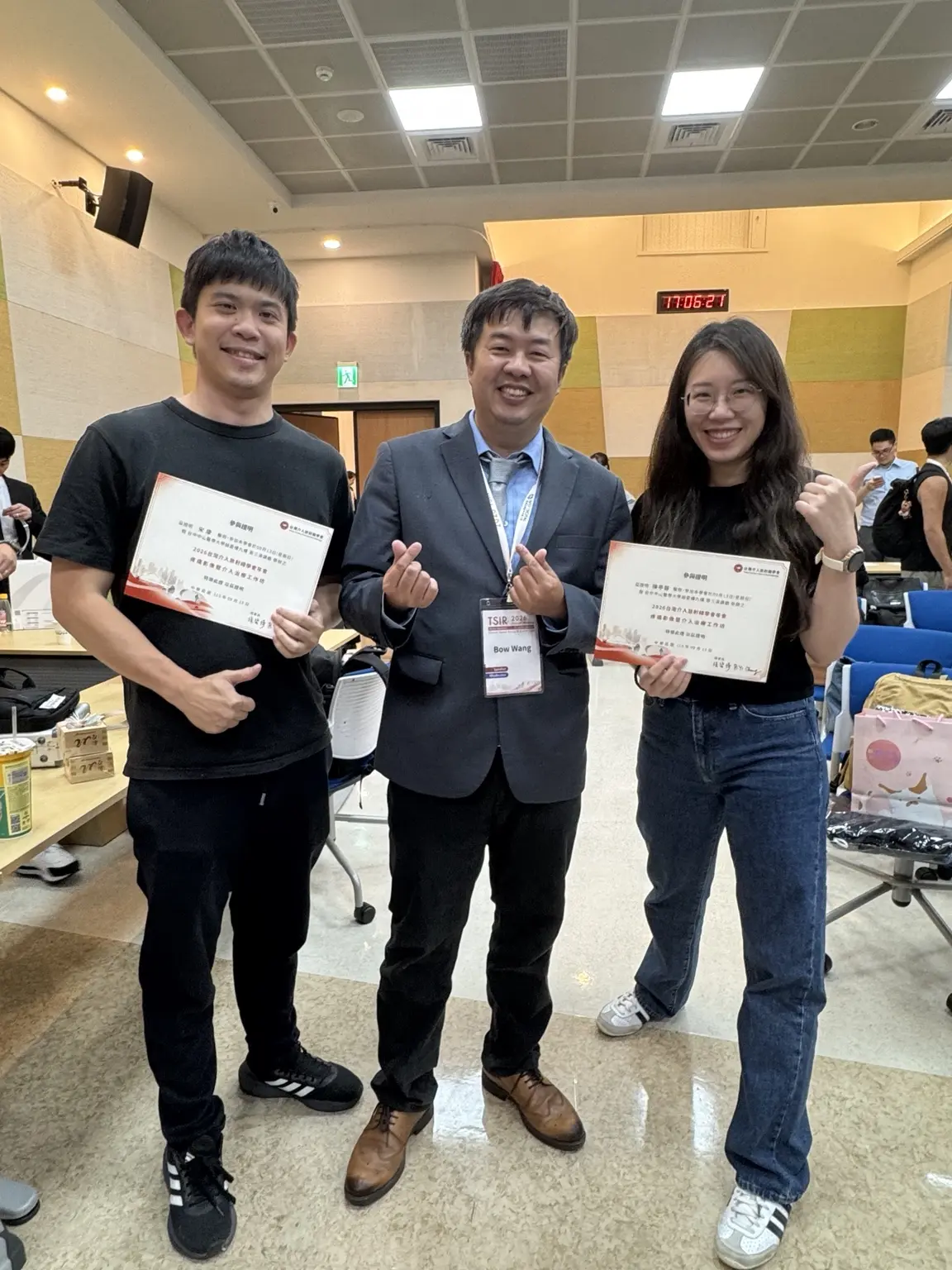
The afternoon hands-on workshop used six rotating stations. Dr. Hsin-Chieh Huang and I led the GAE & TAME simulator station, guiding participants through device handling, image interpretation, and the basic procedural workflow. Simulation cannot replace supervised clinical training, but it allows learners to repeat essential steps and safety checks without adding risk to patients.
International and inter-hospital exchange
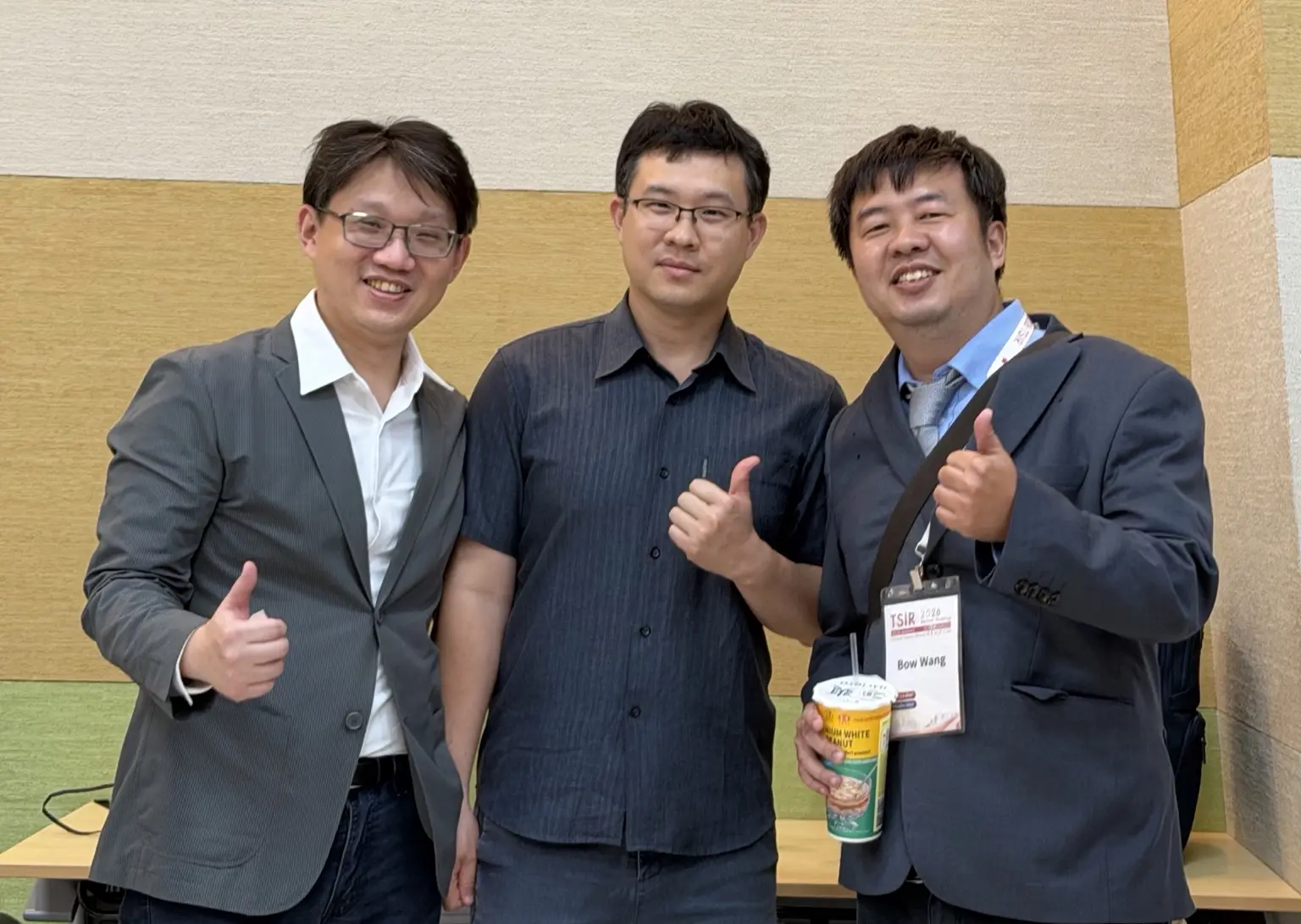
The meeting also provided another opportunity to exchange ideas with Dr. Yuji Okuno and Dr. Masanori Inoue of Japan, Dr. Soo Buem Cho and Dr. Hyeonseung Hwang of Korea, and Dr. Chow Wei Too of Singapore. We discussed the development of embolic materials, treatment strategies for different joints, and ways to structure training and follow-up. The value of an academic meeting lies not only in presenting completed work, but also in openly examining the questions that remain uncertain and require further research.
Reflections after two days
From chairing a session and lecturing on frozen shoulder to the international roundtable, complications lecture, and hands-on workshop, this meeting brought disease assessment, procedural technique, safety management, and education onto the same continuum. The development of TAME should not focus only on whether a procedure can be performed. It must continue to address who may be an appropriate candidate, how treatment can be delivered more safely, and how far the current evidence allows us to go.
My sincere thanks again to Dr. Ping-Sheng Lu, TSIR President Dr. Pi-Yi Chang, Dr. Yuji Okuno, and all participating faculty, staff, and attendees. I will continue to organize important lectures and literature in the TAME Knowledge Center so that clinical experience, research evidence, and safety discussions can accumulate over time.
This page is for medical education and academic communication. It does not replace individual diagnosis or treatment advice.
Continue reading this category →