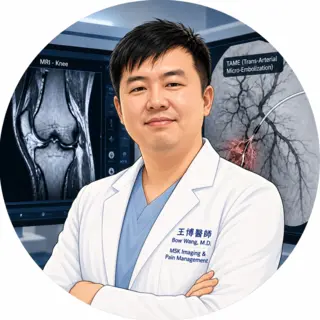
 Bow Wang, M.D.Musculoskeletal & Interventional Radiology
Menu
INTERVENTIONAL MEDICINE · MSK RADIOLOGY
Clinical insight and imaging,
aligned for pain care.
I integrate musculoskeletal imaging, clinical assessment, and image-guided intervention to clarify pain generators and support individualized treatment decisions.
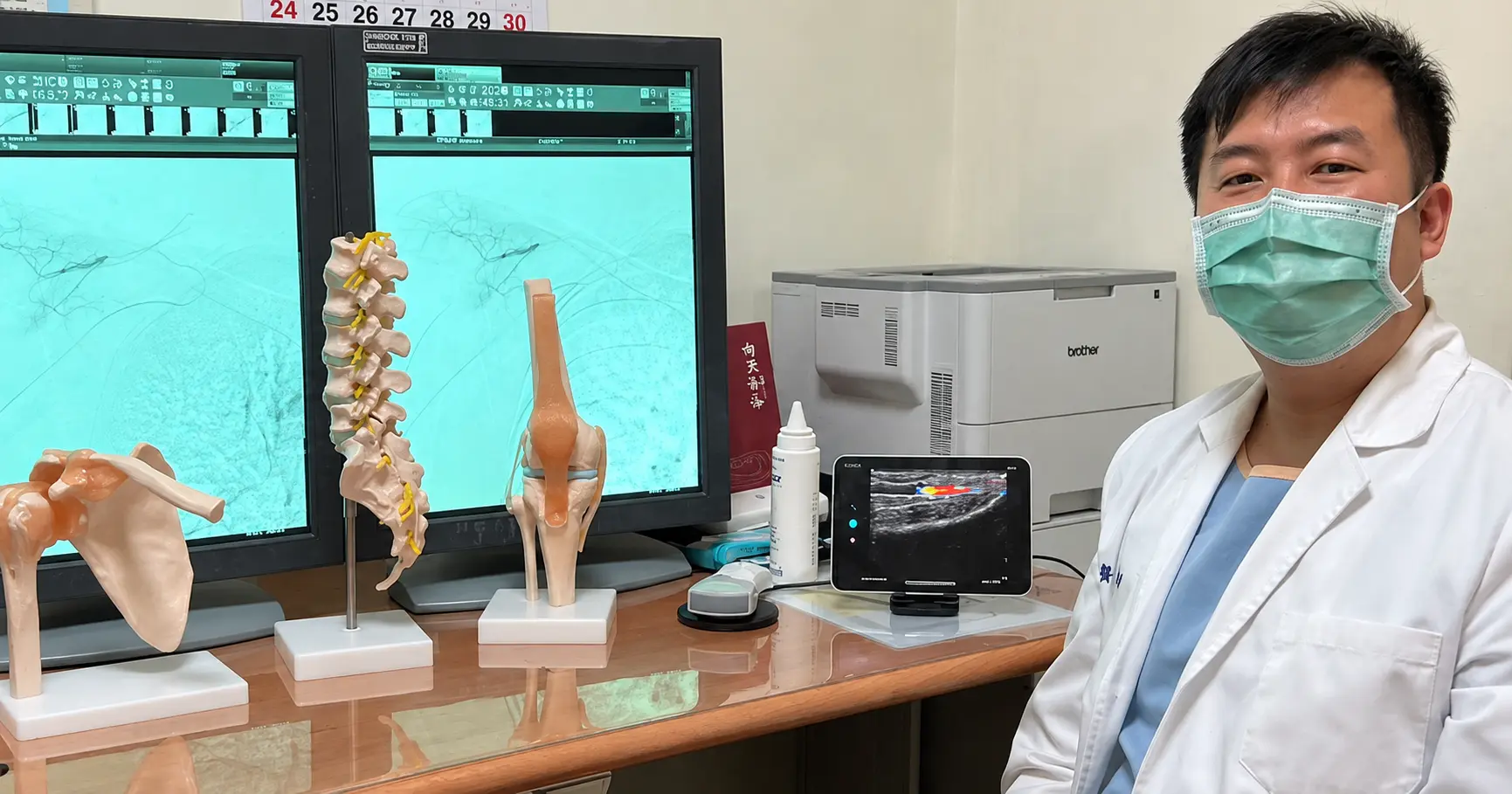
Intervention
CORE EXPERTISE
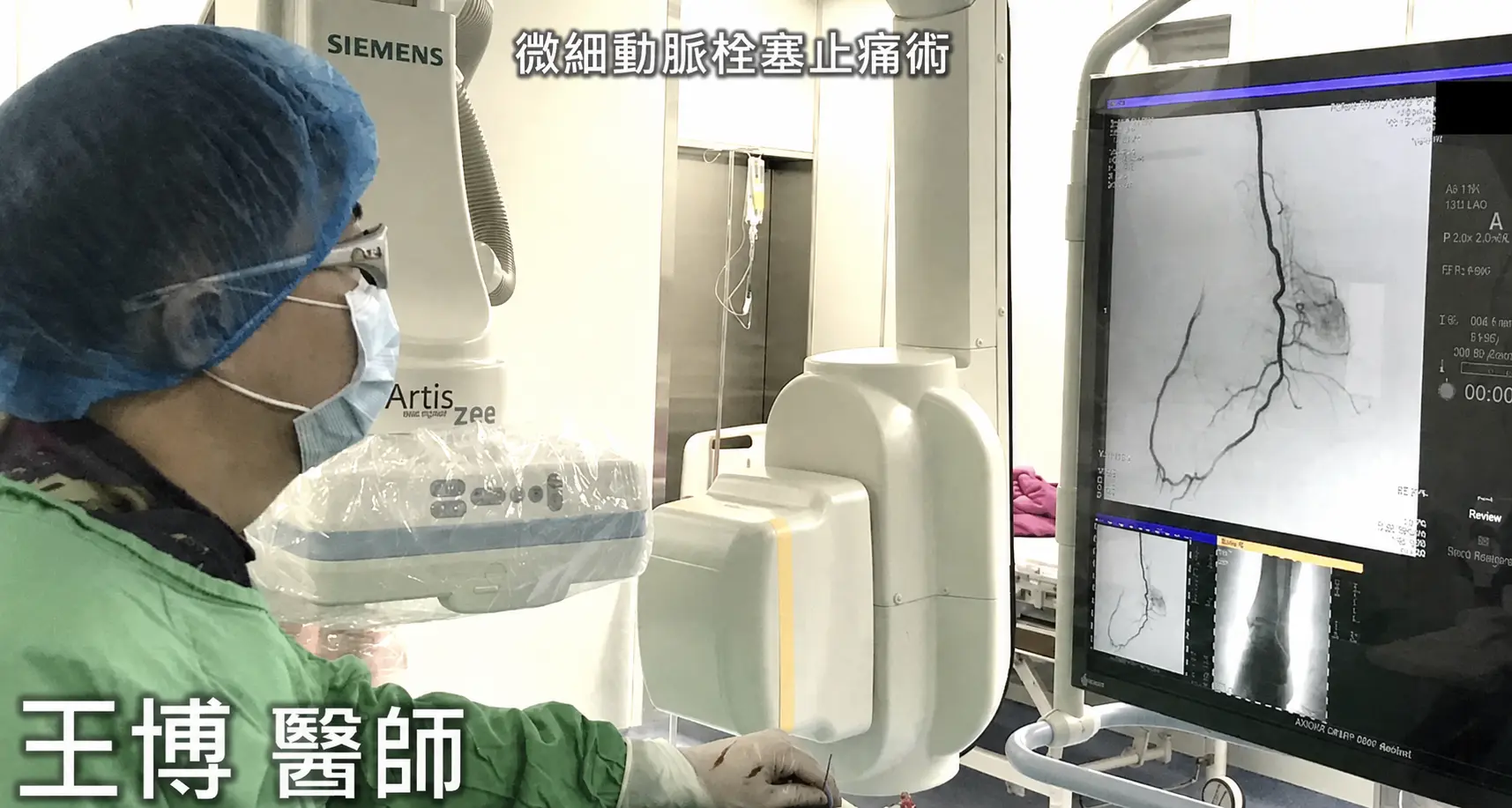
Transarterial Microembolization for Musculoskeletal Pain
TAME · GAE · Musculoskeletal Embolization
Angiography is used to identify abnormal microvascular signals around a symptomatic lesion. Selected vessels are then treated with a carefully planned embolization strategy for appropriately evaluated patients with refractory pain.
CLINICAL EXPERTISE
From diagnosis to targeted intervention
Each pathway begins with clinical-imaging correlation, not with a procedure. The goal is to identify the most relevant pain generator, clarify reasonable options, and recognize situations that require a different priority.
Transarterial Microembolization for Musculoskeletal Pain (TAME)
TAME is an endovascular intervention developed for selected patients with chronic, refractory musculoskeletal pain. Clinical history, physical examination, and imaging are integrated before angiography is used to identify abnormal microvascular signals around the symptomatic lesion. TAME is not a first-line treatment for every pain condition, and eligibility should never be decided from a single image alone.
View clinical overview →02Image-guided Joint and Tendon Pain Intervention
Joint and tendon pain does not always arise from a single structure. A useful assessment integrates pain location, movement pattern, ultrasound or MRI findings, and the response to previous treatment. Image guidance helps place a diagnostic or therapeutic procedure at the intended target while avoiding important nerves and vessels; greater technical accuracy, however, does not guarantee clinical benefit.
View clinical overview →03Image-guided Spine Pain Intervention
Degenerative change, disc protrusion, or postoperative findings on spinal imaging are not necessarily the only source of a patient’s current pain. Assessment first distinguishes axial pain, radicular pain, facet-mediated pain, sacroiliac pain, and postoperative epidural fibrosis. Diagnostic blocks and therapeutic procedures are then selected according to clinical-imaging concordance. Intervention is one component of staged care and does not replace surgery when surgery is required.
View clinical overview →04Musculoskeletal Imaging
The goal of musculoskeletal imaging is not to choose the most expensive or most comprehensive test. It is to define the clinical question and select the tool that can answer it. Radiography evaluates bone alignment and degeneration; ultrasound provides dynamic assessment of tendons, bursae, and peripheral nerves; CT offers fine bony detail and procedural planning; and MRI evaluates soft tissue, bone marrow, and neural structures. These tools are complementary.
View clinical overview →ENGLISH KNOWLEDGE LIBRARY
Explore by clinical and academic topic
These English landing pages organize the site’s core knowledge areas. Individual article translations will be added in reviewed batches during the next phase.
70 SOURCE ARTICLES
Research & Academic Exchange
Research publications, international meetings, invited lectures, teaching activities, and collaborations in musculoskeletal radiology and image-guided pain intervention.
Explore this category →8 SOURCE ARTICLES
Musculoskeletal Imaging Education
Practical interpretation of radiography, ultrasound, CT, and MRI for musculoskeletal disorders, with an emphasis on findings that influence clinical decisions.
Explore this category →40 SOURCE ARTICLES
TAME & Musculoskeletal Embolization
Clinical principles, patient assessment, research evidence, safety considerations, and case-based learning for transarterial microembolization for musculoskeletal pain.
Explore this category →9 SOURCE ARTICLES
Joint & Tendon Pain Intervention
Image-guided assessment and intervention for joint, tendon, bursal, and peripheral nerve pain using ultrasound, fluoroscopy, and CT guidance.
Explore this category →17 SOURCE ARTICLES
Spine Pain Intervention
Image-guided evaluation and treatment options for spinal pain, including nerve blocks, radiofrequency procedures, epidural treatment, and percutaneous epidural adhesiolysis.
Explore this category →12 SOURCE ARTICLES
Medical Knowledge & Updates
General medical education, clinical observations, professional updates, and practical information related to imaging and interventional medicine.
Explore this category →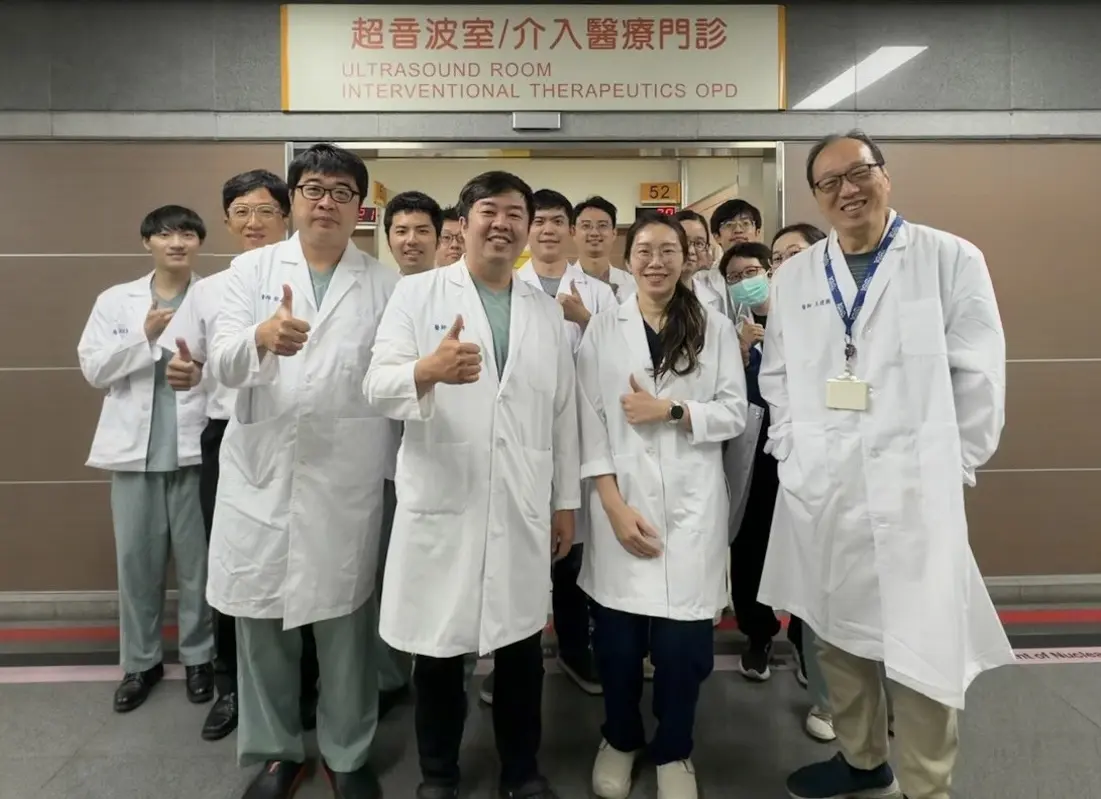
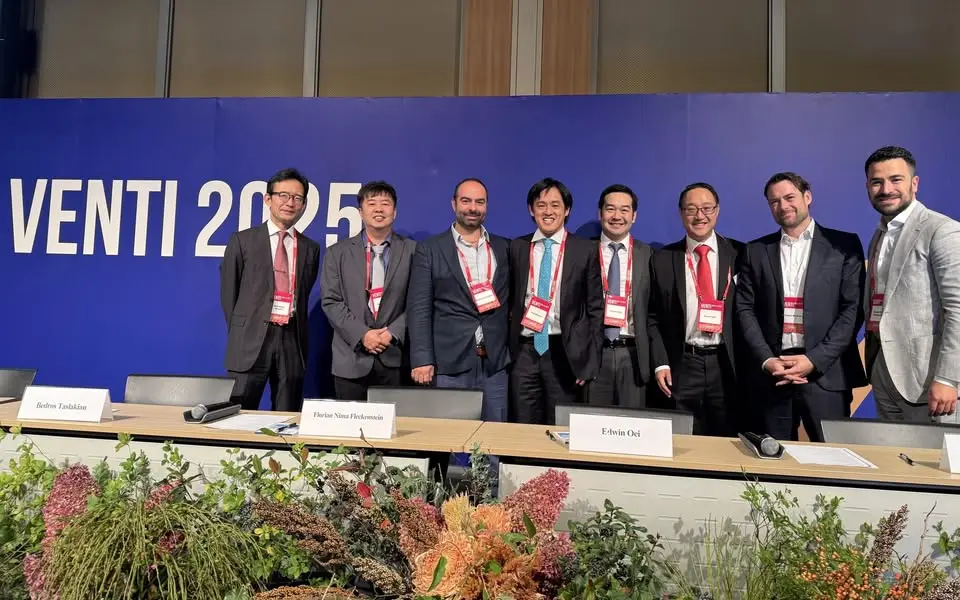
ABOUT BOW WANG, M.D.
Musculoskeletal imaging expertise with a focus on image-guided pain intervention.
Dr. Bow Wang is Director of the Interventional Medicine Center and an attending radiologist at National Cheng Kung University Hospital. His work spans musculoskeletal imaging, vascular and nonvascular intervention, spine pain procedures, and research on musculoskeletal embolization.
Current Appointments
- Director, Interventional Medicine Center, NCKUH
- Attending Physician, Department of Medical Imaging, NCKUH
- Assistant Professor, College of Medicine, NCKU
Clinical Focus
- Musculoskeletal imaging
- TAME and genicular artery embolization
- Joint, tendon, and peripheral nerve intervention
- Spine pain intervention and PEA